Licensed & Bonded
State Certified Well Driller #WD-04471
We Go Where
the Water Is.
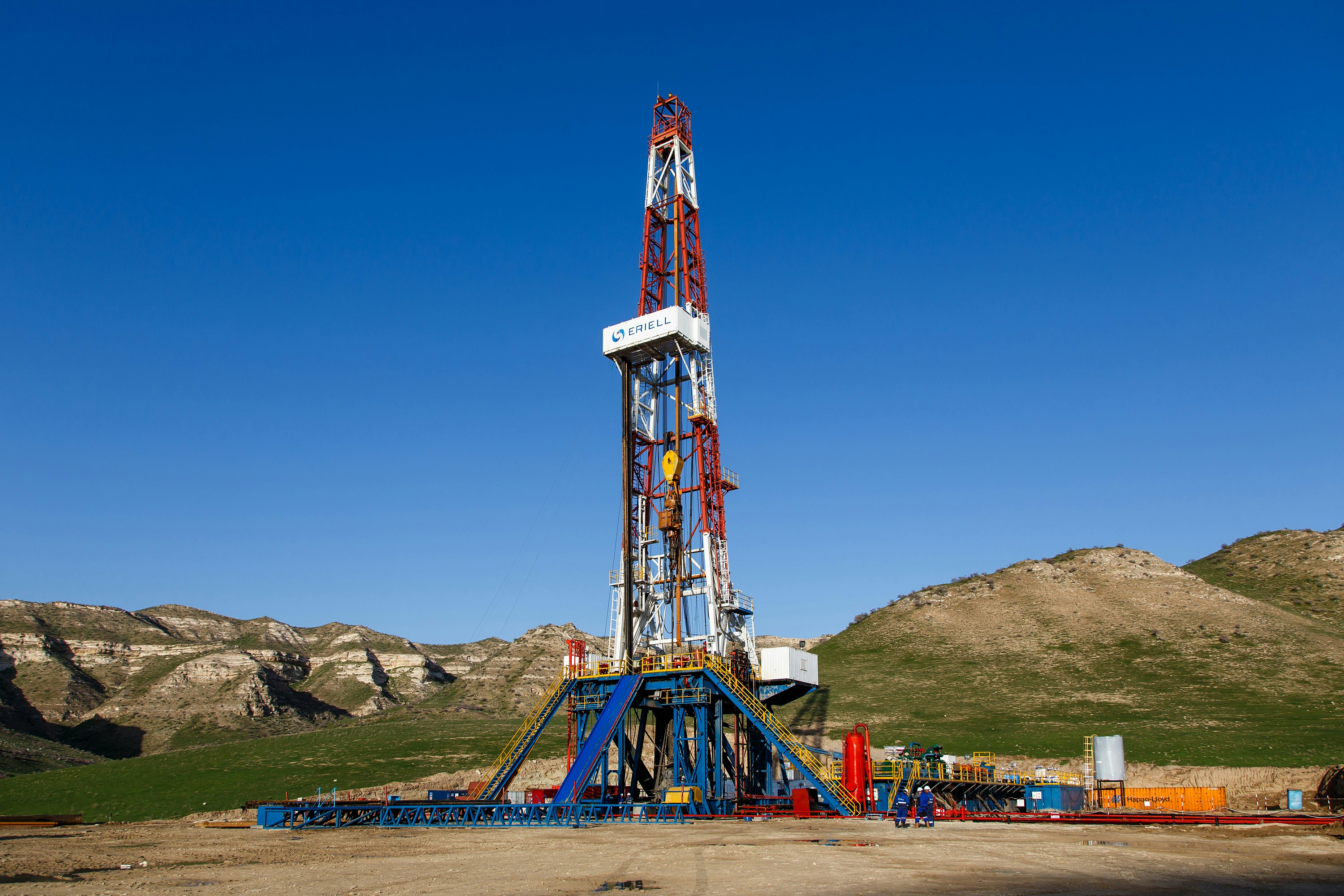
Steel casings through limestone at four hundred feet. Mud rotary rigs turning under open sky. When the municipal line ends, BedrockWells begins.
Feet Drilled
Counties Served
In Operation
Which Well Is
Right for You?
Depth, casing, permits, cost — every variable laid bare. Find your column and come to the conversation prepared.
| Specification | ResidentialDomestic water supply | CommercialDevelopment & industrial | AgriculturalIrrigation & livestock |
|---|---|---|---|
| Typical Depth | 80–300 ft | 150–600 ft | 120–500 ft |
| Casing Diameter | 4"–6" steel | 6"–12" steel | 6"–10" steel |
| Drilling Method | Air rotary / cable tool | Mud rotary / DTH hammer | Air rotary / mud rotary |
| Typical Timeline | 1–3 days | 3–10 days | 2–5 days |
| State Permit Required | ✓ | ✓ | ✓ |
| County Health Review | ✓ | ✓ | — |
| Yield Requirement | 1–5 GPM | 10–100+ GPM | 15–200+ GPM |
| Pump System | Submersible 0.5–1.5 HP | Turbine / VFD driven | Submersible / lineshaft |
| Water Testing | Coliform + nitrates | Full panel + VOCs | Coliform + minerals |
| Grouting Required | ✓ | ✓ | ✓ |
| USDA Financing Eligible | ✓ | — | ✓ |
| Typical Project Cost | $4,800–$18,000 | $18,000–$95,000 | $8,500–$45,000 |
| Get Started | Get a Quote | Request Evaluation | Get a Quote |
Costs and timelines are estimates based on regional geology. Final pricing requires a site survey. All wells are drilled to state code and grouted to prevent surface contamination.
Seven Stages,
No Shortcuts.
Every step a homeowner never sees — named, timed, and explained with the equipment we use and what it costs when someone skips it.
Site Survey & Geology Review
Geologic survey maps, resistivity meter, GPS unit
Before a single drill bit touches ground, we pull county well logs, review USGS geologic maps for your township, and walk the property with a resistivity meter to locate the most promising aquifer. We're looking for fractured limestone, sand lenses, or sandstone formations — the geology tells us where to aim before we mobilize.
What goes wrong cheaply: Drillers who skip the site survey and guess on placement waste your money and time. A dry hole in the wrong formation runs $4,000–$8,000 with nothing to show for it.

Permit Filing
State well permit application, county health form, setback calculations
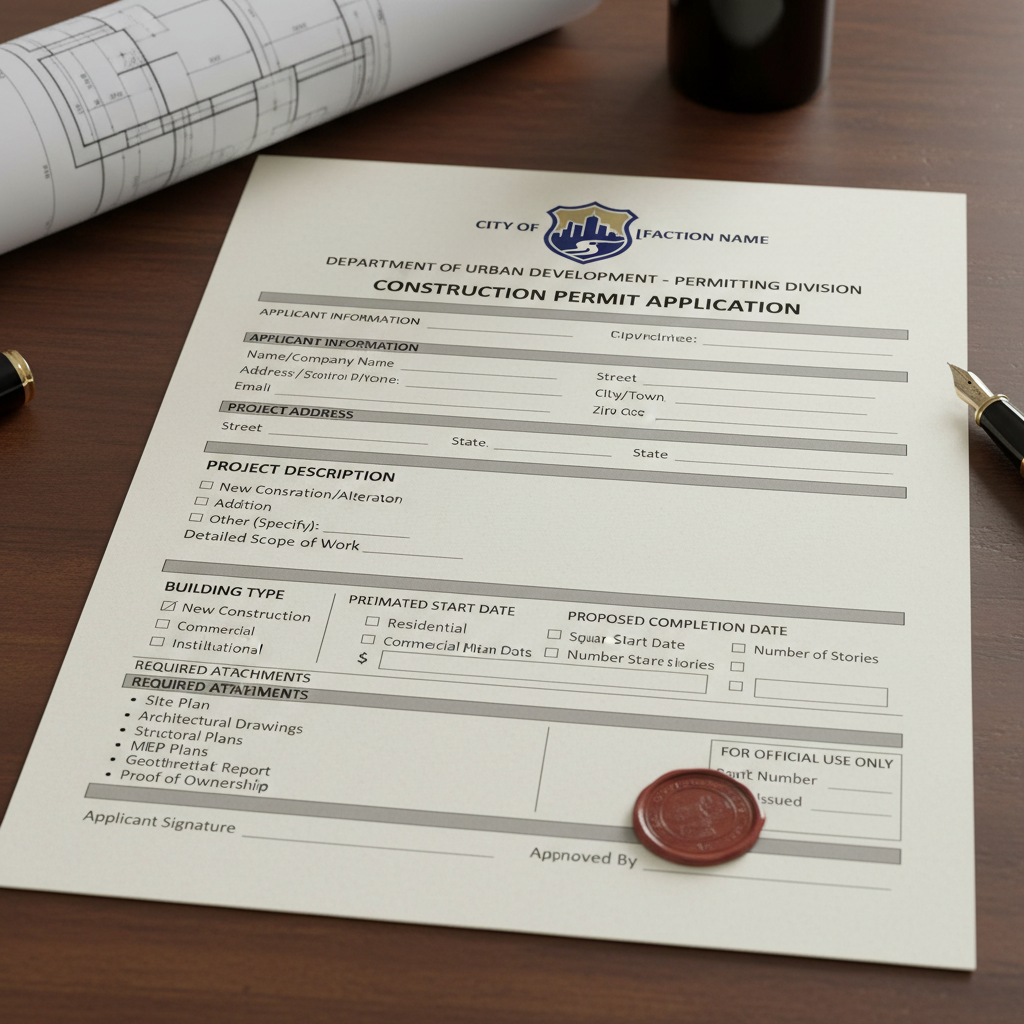
Every well in this state requires a permit before drilling begins — no exceptions. We handle the state Water Well Permit, any required county health department review, and calculate required setbacks from septic systems, fuel tanks, and property lines. We've filed hundreds of permits in 31 counties and know which offices move fast and which ones you need to call on day three.
What goes wrong cheaply: Unpermitted wells cannot be legally sold with the property and expose you to remediation orders. Any contractor who offers to start without permits is not protecting your investment.
Rig Mobilization
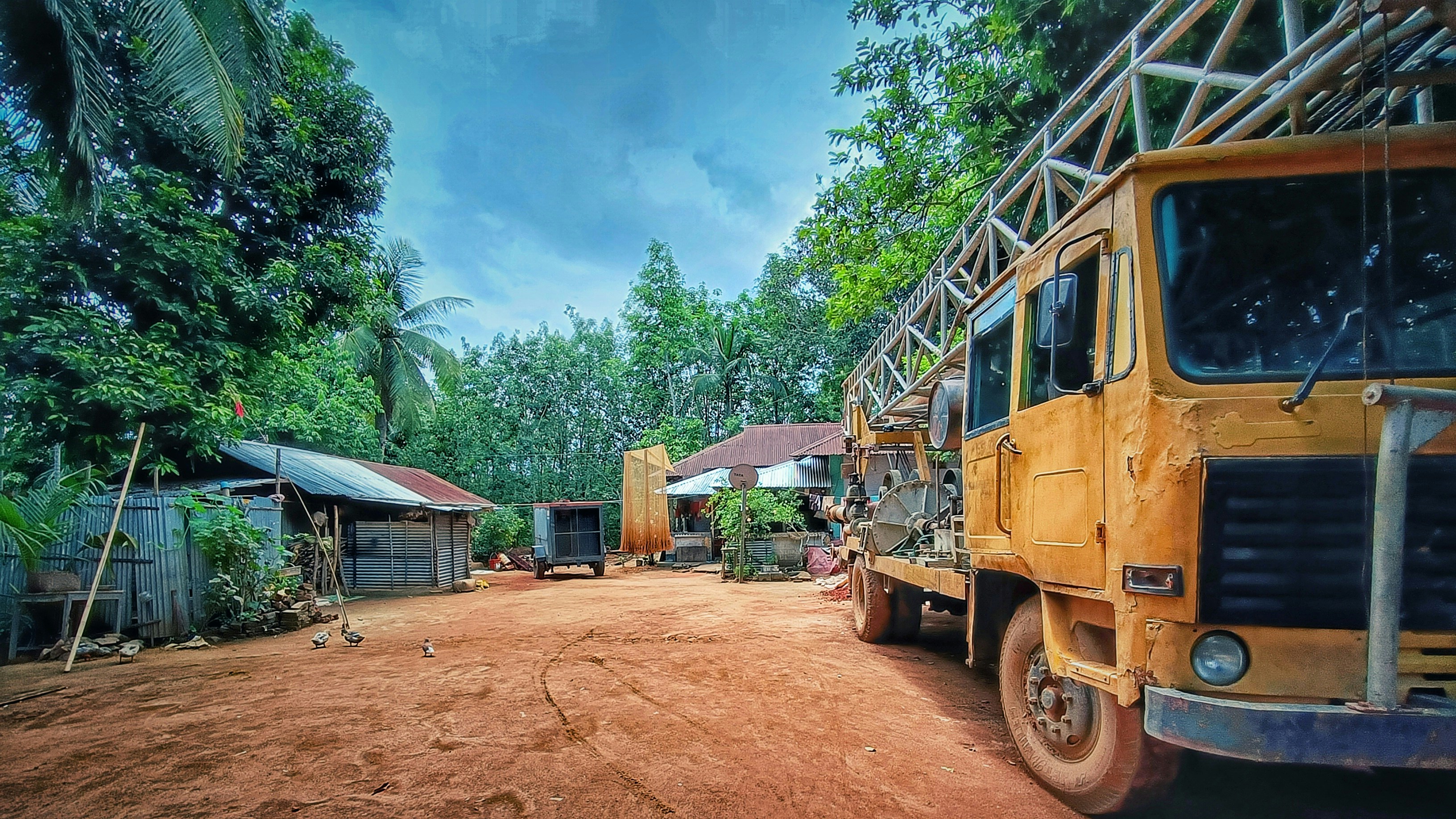
CME-75 truck-mounted rotary drill rig, 2,000-gallon water tanker, tool truck
Our CME-75 truck-mounted rotary rig arrives with the water tanker and tool truck. We set up on the drill pad — typically a 40×40 ft cleared area — and rig up the drill string: tri-cone bits for unconsolidated formations, DTH hammer bits for hard limestone. The rotary table is leveled, the mud pit is dug, and the first joint of drill pipe is made up and ready to turn.
What goes wrong cheaply: Site access matters. A rig this size needs 14 feet of overhead clearance and a firm surface that won't sink in spring mud. We'll tell you exactly what to clear and grade before we arrive.
Drilling
Tri-cone and PDC bits, DTH hammer, mud rotary system, air compressor
Drilling begins at the surface and works down through topsoil, clay, shale, and into the bedrock formation. In this region, that typically means going through 40–80 feet of overburden before hitting limestone. We log the formation every 10 feet — rock type, color, hardness, water shows — building a record of exactly what's down there. When we hit a productive aquifer, yield is measured and recorded.
What goes wrong cheaply: Formation changes can extend drilling time. If the geology surprises us — unexpected hardness, a lost-circulation zone, or a cave — we call you before we proceed. You always know what's happening down hole.
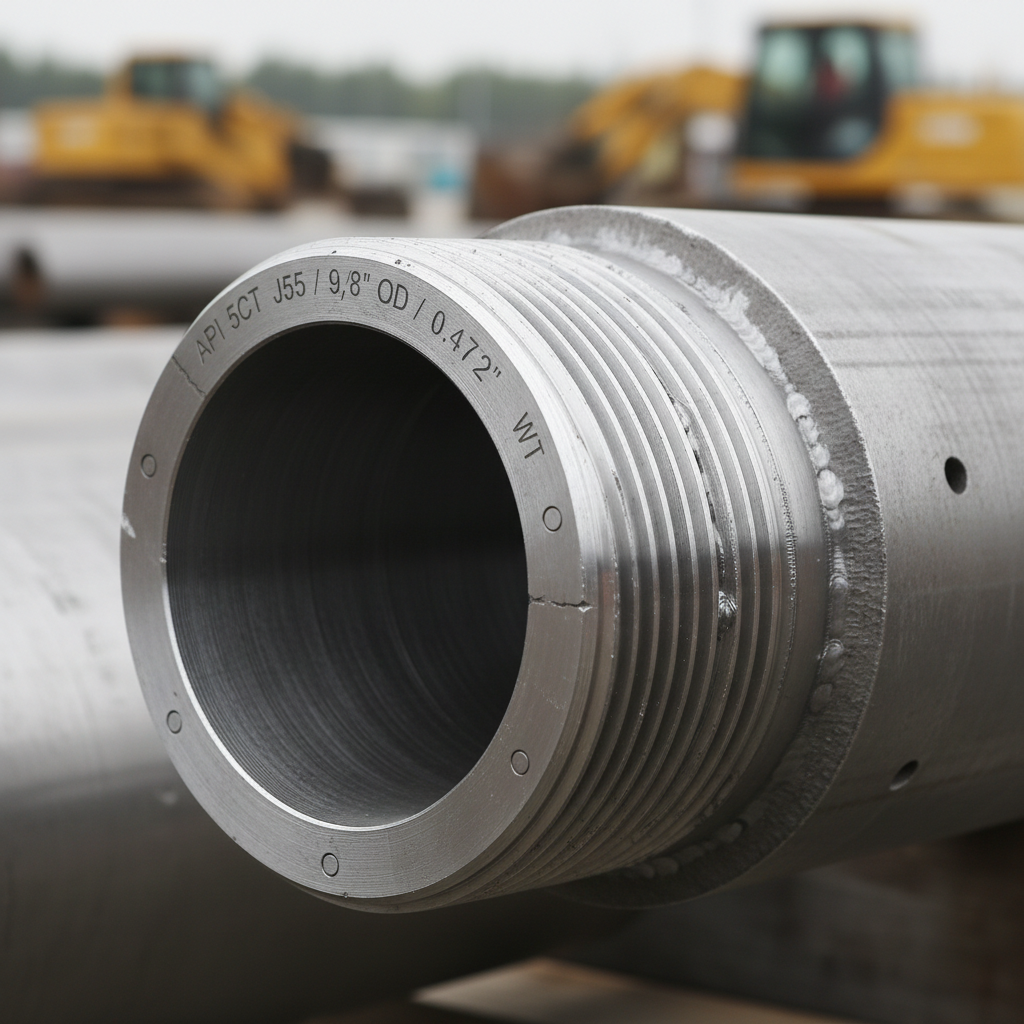
Casing & Grouting
Schedule 80 steel casing, centralizers, neat cement grout, tremie pipe
Once target depth is reached, we run Schedule 80 steel casing from surface to the top of the productive zone. Centralizers keep the casing centered in the borehole. Then we pump neat cement grout — not bentonite, not grout mixed with sand — from the bottom of the annulus to surface using a tremie pipe. This sanitary seal is what prevents surface water from migrating down and contaminating your aquifer.
What goes wrong cheaply: Bentonite-only seals shrink and crack over time. State code requires cement grout from 20 feet below ground surface to the top. Any shortcut here puts your water at risk for the life of the well.
Pump Installation
Franklin Electric submersible pump, polyethylene drop pipe, pitless adapter, pressure tank
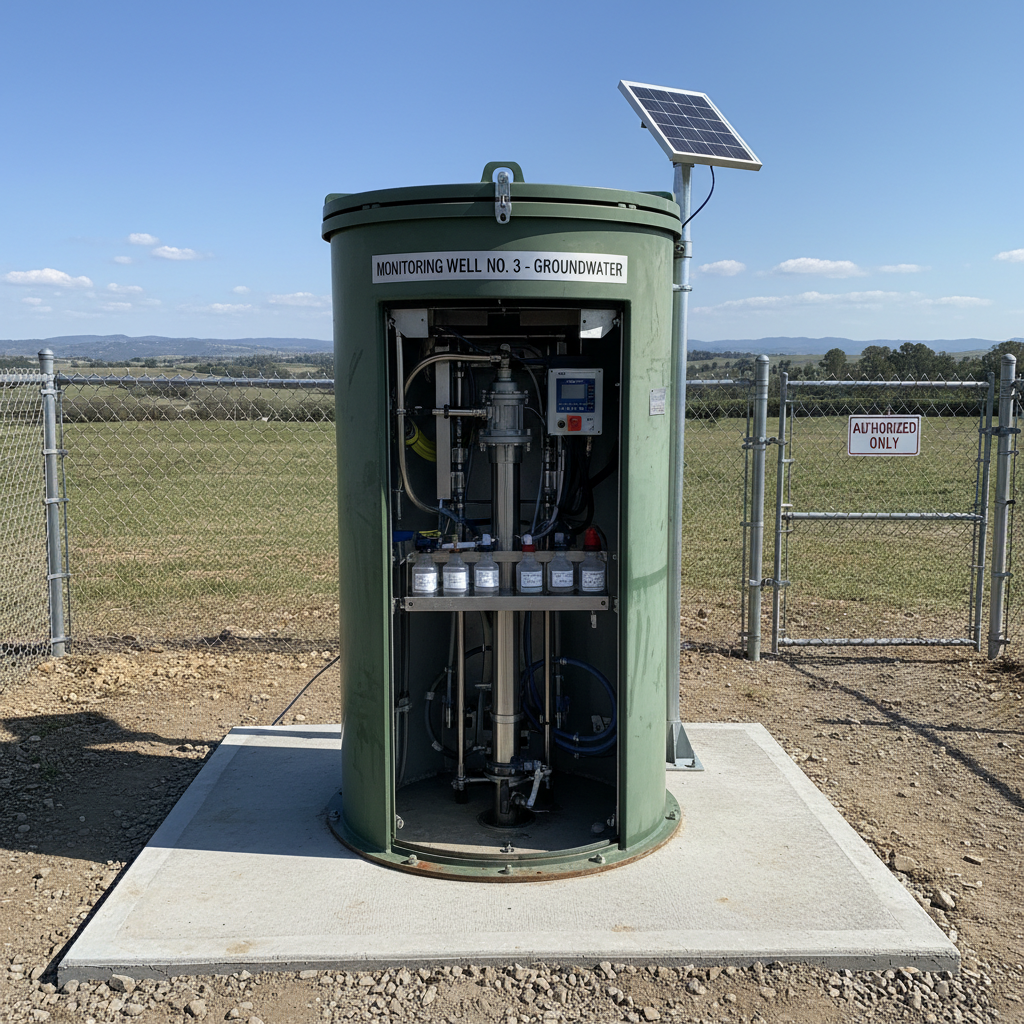
We size the pump to your yield and your demand. A household well with 2 GPM yield doesn't need a 2 HP pump — it needs a storage strategy and a correctly sized pressure tank. We install Franklin Electric submersible pumps on polyethylene drop pipe, set the pitless adapter through the casing wall below frost depth, and connect to your pressure tank and pressure switch. Every electrical connection is waterproofed and torqued to spec.
What goes wrong cheaply: Oversized pumps in low-yield wells run dry and burn out in months. We match pump horsepower to your specific yield test result — never by guesswork or catalog default.
Water Testing
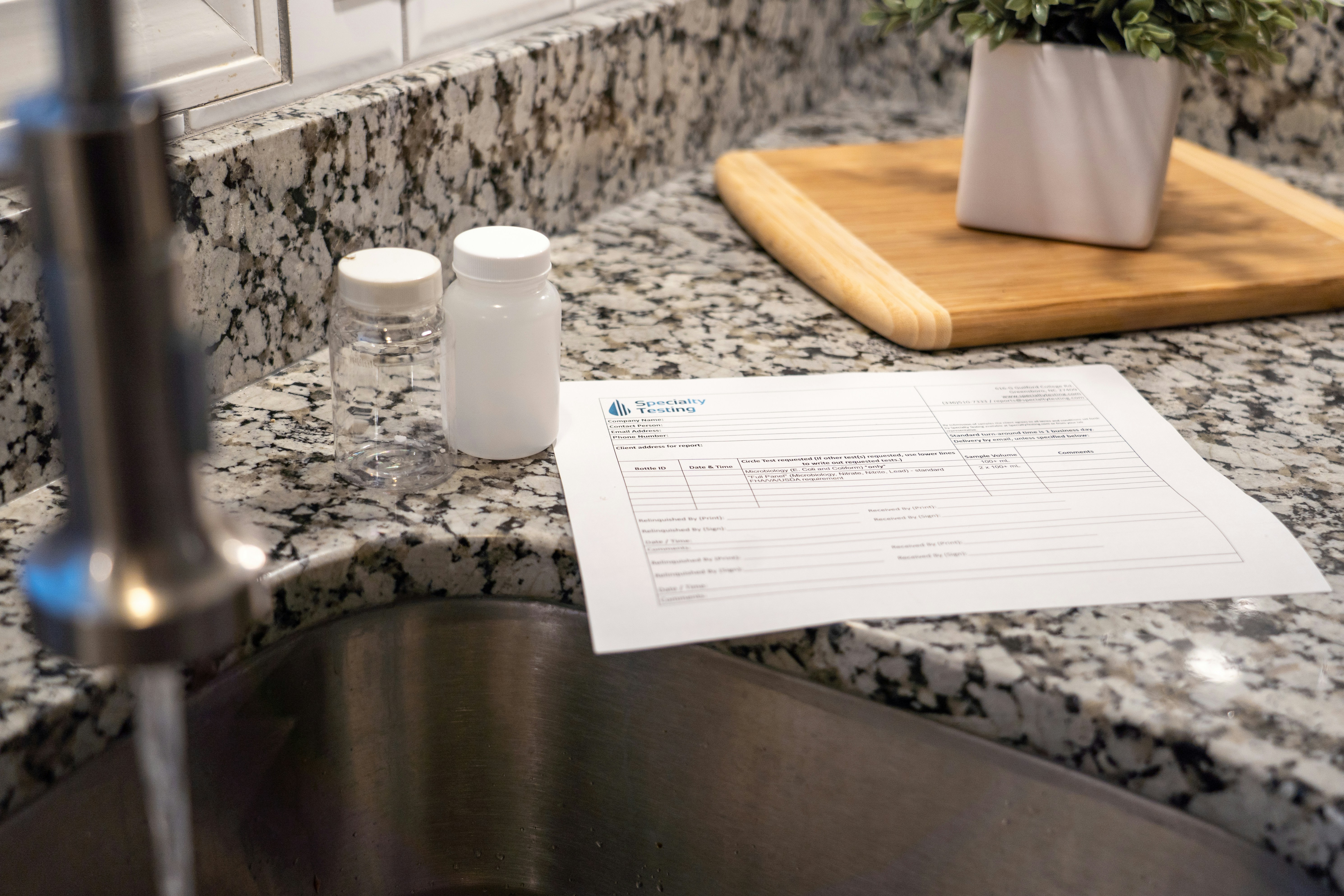
Certified sampling bottles, chain-of-custody forms, state-certified laboratory
The well is disinfected with a measured chlorine solution, allowed to purge, then sampled using state-certified protocols. Residential wells are tested for total coliform, E. coli, and nitrates at minimum — the health department baseline. We recommend a broader panel that includes arsenic, manganese, iron, hardness, and pH. Results come from a certified lab with a chain-of-custody record. We walk you through every number before we hand over the well report.
What goes wrong cheaply: A well completion report without water test results is not a complete well. If a contractor delivers your well without documented test results, you have no legal record of water quality at time of installation.
Ready to move from survey to water?
Request a Site EvaluationStart with a
Site Evaluation.
We review your property address, intended use, and existing water situation before recommending anything. No pressure, no guesswork.
Request a Site Evaluation
We respond within one business day

Well Owner's Guide
28 pages covering maintenance schedules, water testing intervals, pressure tank troubleshooting, and when to call a driller — written for property owners, not engineers.
Prefer to Talk First?
Why Clients Choose Us